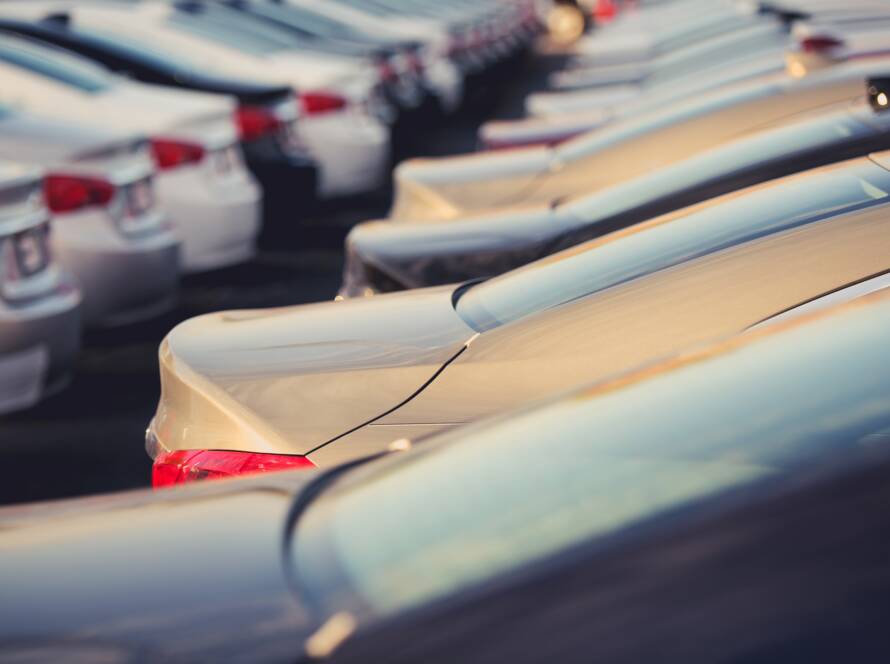
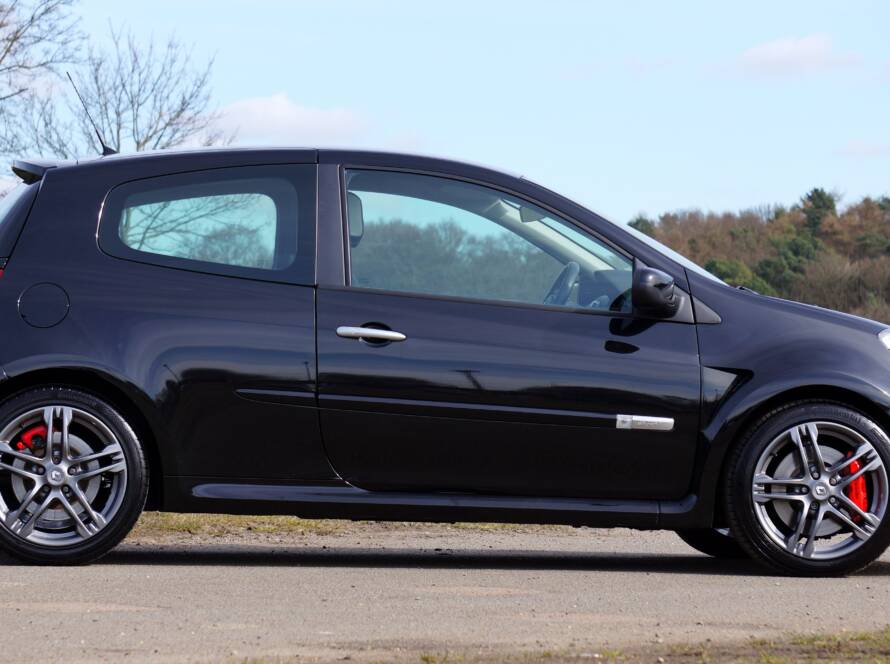
If you have ever sat in traffic on the ABC Highway and spotted a clean little Toyota Aqua or a Honda Fit that looked nearly new, there is a good chance it started life in Japan. Japanese used cars have been part of the Barbados driving scene for decades, and for good reason. They are well built, easy on fuel, and often cost a lot less than a comparable car bought locally.
The tricky part has always been knowing where to buy and who to trust. That is where online platforms like TradeCarView come in. In this blog, we will walk you through how it works, what to watch for, and how to avoid the mistakes that cost buyers real money.
Why Japanese cars suit Barbados so well
Barbados drives on the left, just like Japan. That means Japanese used cars are right-hand drive and ready for our roads without any awkward conversion. You are not paying to swap a steering wheel or fixing a car that was never meant for this side of the road.
There is more to it than that. Japan has strict vehicle inspection rules, and many owners sell their cars after only a few years, long before they are worn out. Mileage tends to be low, servicing is usually well documented, and cars are often kept in garages. Add in our short distances and the cost of fuel, and a compact, efficient Japanese hatchback makes a lot of sense for daily life on the island.
Salt air is the other factor. Barbados is no friend to metal, so starting with a car that has a clean body and minimal underbody rust gives you a real head start.
What TradeCarView actually is
TradeCarView is an online marketplace that connects overseas buyers with Japanese used car exporters and dealers. Instead of flying to Tokyo or relying on a friend of a friend, you can browse thousands of listings from your phone or laptop, filter by make, model, year, price and mileage, and contact sellers directly.
Think of it as a window into the Japanese market. You see the photos, the specs, the asking price and the seller’s details, then decide who to talk to. It is worth remembering that TradeCarView is a platform connecting you with sellers, so the quality of your experience depends a great deal on the exporter you choose. Treat the listing as the starting point of your research, not the end of it.
Picking the right car for Bajan roads
Before you start scrolling, get clear on what you need. A few questions help narrow things down quickly.
Who is driving and how far? If you are commuting from the south coast into Bridgetown, a small hybrid or a 1.0 to 1.5 litre petrol car will be kind to your wallet. If you have a big family or head to the country often, a compact SUV or a minivan might be worth the extra fuel.
How much can you spend all in? Remember that the sticker price in Japan is only one piece of the bill. More on that shortly.
How comfortable are you with parts and servicing? Popular models like the Toyota Vitz, Aqua, Passo, Honda Fit and Nissan Note are common here, which means parts are easier to find and mechanics know them well. A rare or fancy model might look great online but become a headache when something breaks.
Ground clearance matters too. A few of our roads have seen better days, so a car that sits very low may suffer.
Understanding the real price
This is where first-time buyers get caught out. The price you see on a listing is often just the vehicle price. By the time the car is parked in your driveway, several other costs have been added.
You will usually be looking at the vehicle price, Japanese inland transport to the port, export paperwork and handling, freight to Bridgetown, marine insurance, then Barbados customs duty, excise tax and VAT, plus port and clearing fees and local registration and licensing.
Sellers on TradeCarView often quote in terms like FOB or CIF. FOB means the price covers the car up to the point it is loaded on the ship. CIF includes the cost, insurance and freight to your destination port. Always ask the seller to spell out exactly what is included so you can compare offers fairly.
And because the Barbados dollar is pegged to the US dollar at two to one, quotes in USD are easy to convert, though your bank may add its own exchange or wire charges.
Duties, taxes and the rules you need to check
Barbados applies import duties, excise tax and VAT on vehicles, and the final amount depends on factors like the engine size, the type of vehicle and its value. Rules and rates change from time to time, and there can be restrictions on things like vehicle age or condition. I am not going to quote you figures that might be out of date.
The smart move is simple. Before you pay a deposit, contact the Barbados Revenue Authority or a licensed customs broker and ask for an estimate based on the exact car you are considering. A good broker will also tell you what documents you need and help you avoid delays at the port. That small bit of homework can save you thousands of dollars and a lot of stress.
Reading the car’s condition honestly
Photos can flatter any car. Here are the things I would always want to see before committing.
Ask for a full set of photos, including the engine bay, the underbody, the interior roof lining and the wheel arches. Request the auction sheet if the car came through a Japanese auction. It shows a grade and notes on any scratches, dents or repairs, and it is one of the best ways to spot a car that has been in an accident or had its odometer wound back.
Be wary of prices that look too good. If a three-year-old hybrid is listed for half of what similar cars cost, ask yourself why. Reputable exporters are happy to answer questions and send extra photos or videos. If a seller gets pushy or vague, walk away.
If you want extra peace of mind, many buyers pay for an independent pre-shipment inspection. It costs a bit up front but can save you from buying someone else’s problem.
How shipping to Barbados works
Most cars travel by roll-on roll-off ship or in a container. Roll-on roll-off is usually cheaper, since the car is driven on and strapped down like a ferry passenger. Containers cost more but offer extra protection, and sometimes you can share one with another buyer to split the cost.
Transit time from Japan to Barbados is typically several weeks, and it can stretch if there are transshipments or delays. Do not plan around the exact arrival date. Once the ship docks at Bridgetown, your broker handles clearance, you pay the duties and fees, and then you can collect the car after it passes the necessary checks and registration.
A simple step-by-step plan
Start by setting your total budget, including duties and fees. Browse TradeCarView and shortlist three to five cars. Message the sellers, ask for the full cost to Bridgetown and request the auction sheet and extra photos. Get a duty estimate from a customs broker. Compare offers, then check the seller’s reputation, reviews and paperwork before you send money.
Pay using a method that gives you some protection and a clear paper trail, and avoid sending cash to personal accounts you cannot verify. Keep every invoice, message and receipt. Then wait for shipping updates, line up your insurance, and get ready to collect.
Common mistakes to avoid
The biggest one is falling in love with a photo and skipping the homework. Close behind is ignoring the extra costs and then being shocked by the final bill. Others include buying a model with no local parts supply, not confirming the car meets Barbados import rules, and paying a large deposit to a seller you know nothing about.
Patience pays here. The buyers who are happiest with their cars are usually the ones who asked more questions and took their time.
Conclusion
Buying a used car from Japan through TradeCarView can be a smart way for Barbados buyers to get a reliable, fuel-efficient and well-kept vehicle for a fair price. It will not be instant, and it asks a little effort from you. But with a clear budget, an honest look at the car’s condition, a good customs broker and a trustworthy seller, the process is far less scary than it sounds.
Take your time, ask plenty of questions, and check every number twice. Do that, and you could be cruising down the west coast road in a car that suits you perfectly, without the heavy price tag. Prices, duties and import rules change, so always confirm the latest details with Barbados customs and your chosen exporter before you buy.