If you’ve ever stood at a bus stop on the ABC Highway at 7:45 on a Monday morning, watching a ZR van sail past because it’s already packed, you know why people here want their own wheels. Barbados is small, but it doesn’t always feel small when you’re depending on someone else’s schedule.
The good news is that you don’t need a lot of money to get a decent car. The bad news is that the island is also full of tired cars with polished exteriors and problems hiding underneath. Here’s how you approach the hunt if you were starting over.
Start with an honest budget
Before you open a single listing, work out what you can actually spend, and not just on the car itself. The sticker price is only the beginning.
Set aside money for insurance, which can swing a lot depending on the car’s age, engine size and your driving record. Add the annual licence and registration, the cost of a mechanic’s inspection, and a cushion for the stuff that will inevitably need fixing in the first month. A good rule of thumb is to keep ten to fifteen percent of your budget in reserve. If you spend every last dollar on the purchase, the first flat tyre or dead battery will feel like a disaster instead of an annoyance.
Fuel matters too. Gas isn’t cheap here, so a thirsty engine will quietly drain you every week. For most people, a small, efficient car makes the most sense.
Know which cars suit this island
Barbados roads are narrow, hilly in places, and full of tight parking spots, so small cars rule. You’ll see plenty of Suzuki Swifts, Toyota Vitz and Passo models, Nissan Marches, Honda Fits and Kia Picantos for a reason. They’re light on gas, easy to park, and parts are usually easy to find because so many people drive them.
A lot of used cars on the island are Japanese imports. That’s not a problem on its own. Many of them are well kept and come with low mileage. Just keep in mind that the mileage on an import can be hard to verify, so don’t treat the odometer as gospel. Judge the car by how it looks, sounds and drives, not just by what the dashboard says.
If you’re tempted by something bigger, like an SUV or a truck, ask yourself honestly whether you need it. Bigger usually means higher insurance, higher fuel costs and more expensive repairs.
Where to look
There’s no single best place, so cast a wide net.
- Online groups and marketplaces. Facebook Marketplace and the various Barbados buy-and-sell groups are where a lot of private sales happen. You’ll find everything from clean daily drivers to cars that clearly need a miracle. Scroll with a skeptical eye. Blurry photos, vague descriptions and sellers who dodge basic questions are all warning signs.
- Local dealers. Dealers cost more, but they often handle paperwork and may offer a short warranty or at least a bit of recourse if something goes wrong. If you’re nervous about the process, a reputable dealer can be worth the extra money. Visit a few, compare prices, and don’t feel pressured by anyone telling you the deal disappears today.
- Word of mouth. Honestly, this might be the best source of all. Tell your coworkers, relatives, church friends and neighbours that you’re looking. Barbados is a place where somebody’s cousin is always selling a car, and a vehicle from someone you can actually track down tends to come with more honesty than a stranger’s ad.
The salt air problem
Here’s something newcomers underestimate: the sea air. Living on an island means salt in the breeze nearly everywhere, and salt is brutal on metal. Rust can creep along the underbody, around the wheel arches, and inside door sills long before it shows on the paint.
When you look at a car, get down and check underneath with a torch. Look at the frame, the suspension mounts and the exhaust. Press gently on the lower edges of the doors. If the metal flakes, bubbles or feels soft, walk away. Surface rust is common and usually manageable, but structural rust is a deal-breaker.
Also ask where the car has been kept. A car that’s lived in a garage in the interior is usually in better shape than one that’s spent a decade parked within sight of the sea.
How to inspect a car like you know what you’re doing
You don’t need to be a mechanic to spot obvious trouble. Take your time and don’t rush, even if the seller is hovering.
Walk around the car in good daylight. Look for mismatched paint, uneven gaps between panels, or overspray on the trim, which can suggest an accident repair. Check the tyres for uneven wear, since that can point to alignment or suspension problems.
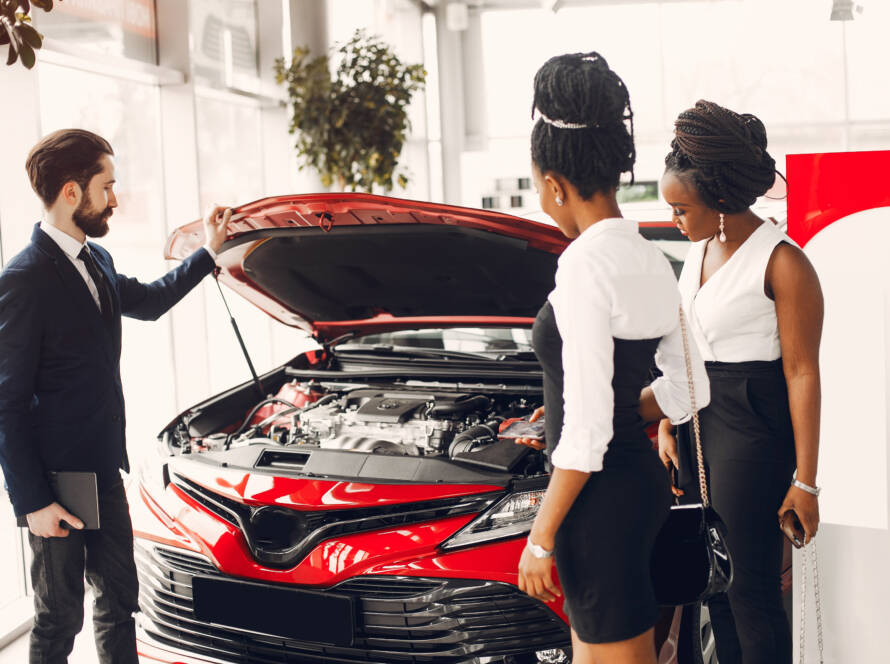
Open the bonnet and look for leaks, cracked hoses and a grimy engine bay. Check the oil on the dipstick. It should look amber or brown, not milky, which could mean a head gasket issue. Make sure the engine starts easily from cold. A seller who has the car already warmed up when you arrive may be hiding a rough start.
Inside, test everything. Windows, air conditioning, lights, wipers, radio, indicators. A broken AC is a bigger expense than most people expect, and in Barbados heat, you’ll want it working.
Then take it for a proper drive. Try some hills, a bit of fast road, and a few stops. Listen for knocking, grinding or whining. Notice if the car pulls to one side or the steering feels loose.
Always get a mechanic’s opinion
If you take only one piece of advice from this post, make it this one: pay a trusted mechanic to look at the car before you hand over any money. It might cost you a modest fee, but it can save you thousands. A decent mechanic will spot things you’d never notice, like a leaking gearbox seal or worn suspension bushings.
If the seller refuses to let you take the car for an inspection, that tells you everything you need to know. Thank them politely and leave.
Check the paperwork
A cheap car with messy documents isn’t cheap at all. Confirm the seller is the registered owner and that the name on the paperwork matches their ID. Check that the chassis number on the car matches the documents. Ask about any outstanding fines, unpaid licences or liens.
Make sure the car’s licence and any required inspection are up to date, and find out what you’ll need to do to transfer ownership into your name. Rules and procedures can change, so check with the relevant licensing authority before you commit rather than trusting what a seller tells you from memory.
Get a written receipt that lists the date, price, vehicle details and both parties’ names. It’s a small step that protects you if a dispute comes up later.
Negotiate without being awkward
Don’t be shy; most sellers anticipate some haggling. The trick is to be polite and have reasons. If your mechanic found worn brakes or the tires are nearly bald, you can fairly say, “I’d love to buy it, but I’ll need to spend this much fixing these things, so can we adjust the price?”
Be prepared to walk away. That’s your strongest position. There will always be another car, and the ones that are priced fairly and well maintained do tend to turn up if you stay patient.
Cash is common in private sales, but be careful about carrying large amounts. Meet somewhere safe and public, ideally at a bank, and complete the payment and paperwork together.
Conclusion
Buying a used car in Barbados doesn’t have to be stressful, but it does reward patience. The people who end up unhappy are usually the ones who rushed, skipped the inspection, or fell for a shiny paint job.
Take your time. Look at several cars before you decide. Trust your gut when something feels off, and lean on people who know more than you do. A modest, well-maintained little hatchback that starts every morning is worth far more than a flashy bargain that spends half its life at the garage.
Do that, and before long you’ll be cruising along the south coast with the windows down, no bus schedule required, and a lot more money in your pocket than you expected.