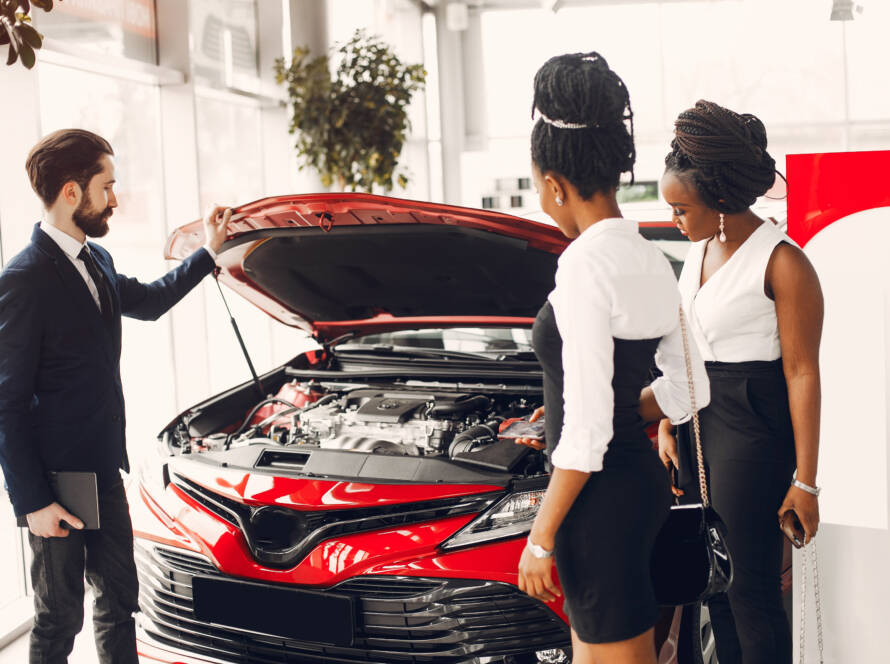
If you’ve driven around Barbados for more than a few minutes, you’ve noticed it. Compact hatchbacks zipping through Bridgetown traffic, small SUVs parked outside beach bars in St. Lawrence Gap, and hybrids quietly cruising along the ABC Highway. A big share of them came from Japan. Japanese import cars have become one of the most popular ways to get on the road here, and for good reason.
If you’re thinking about buying one, this blog walks you through why they’re so popular, which models people love, what to watch out for, and how to avoid expensive surprises.
Why Japanese Imports Make Sense in Barbados
Start with the obvious. Barbados drives on the left, just like Japan. That means Japanese cars arrive with the steering wheel on the right side, ready for our roads without any conversion work.
Then there’s the size. Our roads are narrow in many places, parking in town can be tight, and the island is small enough that most of us don’t need a massive vehicle. Japan’s compact cars were designed for crowded cities and tight streets, so they fit our lifestyle well.
Fuel economy matters too. Gas prices here aren’t getting any friendlier, and a small Japanese car or hybrid can stretch a tank much further than an older, larger vehicle. Over a year of commuting from Oistins to Bridgetown, that adds up.
Finally, there’s a condition. Cars in Japan tend to be well maintained, serviced on schedule, and driven fewer kilometres than similar cars elsewhere. Japan’s strict inspection culture means many vehicles are sold while still in very good shape, often at lower prices than comparable brand-new options.
Popular Models You’ll See on the Island
You can find almost anything, but a handful of names come up again and again.
- Toyota Aqua and Prius. These hybrids are favourites for good reason. They’re cheap to run, reliable, and easy to resell. If you do a lot of stop-and-go driving, a hybrid is hard to beat.
- Honda Fit. Don’t let the small outside fool you. The Fit has a surprisingly roomy interior, and the back seats fold flat in clever ways. It’s a great pick for young families and anyone who hauls stuff on weekends.
- Nissan Note and Tiida. Comfortable, practical, and usually easy on the wallet, these are everyday workhorses. Parts are fairly easy to find, which helps when it’s time for maintenance.
- Suzuki Swift. Fun to drive, light, and economical. People who want a bit of personality in a small car often land here.
- Toyota Vitz and Mazda Demio. Both are compact, affordable, and ideal for first-time buyers or anyone who mostly drives solo.
- Toyota Axio and Corolla Fielder. If you want something a little bigger, these sedans and wagons offer space and comfort without getting heavy on fuel.
- Suzuki Jimny and small SUVs. They’re popular with people who want a bit of ground clearance for rougher country roads or a more adventurous look.
- Toyota Hilux and other pickups. For tradespeople and farmers, a sturdy Japanese pickup remains a dependable choice.
Understanding Auction Grades and Mileage
Most Japanese imports are bought through auctions in Japan. Each car gets inspected and given a grade, usually on a scale where higher numbers mean better overall condition. A grade of 4 or 4.5 is generally considered very good. Anything much lower can mean visible wear, repairs, or other issues.
You’ll also see a separate rating for the interior and exterior, often with letters. The auction sheet might also show notes about scratches, dents, repaints, or rust. It’s worth asking any seller to show you the original auction sheet, and if it’s in Japanese, ask for a proper translation. A trustworthy seller will have no problem with that.
Mileage deserves a careful look too. Odometer tampering is a known problem in the used-car world, and while Japan’s auction system is generally reliable, you should still verify the figures. The auction sheet and any available service records can help confirm the history.
What It Really Costs
The sticker price is only part of the story. When you buy a Japanese import for Barbados, you’re usually paying for several things:
- The purchase price of the car
- Shipping from Japan
- Customs duty, excise tax, and VAT
- Port and clearing fees
- Licensing, registration, and insurance
- Any repairs or servicing needed on arrival
Taxes in particular can change the final number a lot, and the rules can shift over time. Hybrid and electric vehicles have sometimes received different tax treatment than regular petrol cars, so it’s worth checking what applies right now. Before committing to any car, contact the Barbados Revenue Authority or speak with a licensed customs broker to get a current estimate. It’s much better to know the full cost upfront than to be shocked at the port.
A good rule of thumb is to leave yourself a small cushion in your budget. Something always comes up, whether it’s new tyres, a battery, or a minor repair.
Local Dealer or Direct Import?
You have two main routes, and each has its own pros and cons.
- Buying from a local dealer is the easy path. The car is already here, you can see it, sit in it, and take it for a test drive. The dealer handles shipping, customs, and paperwork. You pay a bit more for the convenience, but you also get peace of mind and, in many cases, some form of warranty or after-sale support.
- Importing it yourself, or through an exporter in Japan, can save money, and you get more choice of exact model, colour, and specs. The downside is that you carry more risk. You can’t test drive it first, and you’ll have to manage shipping, taxes, and delays. If you go this route, work with a reputable exporter, ask for plenty of photos, and don’t skip the paperwork.
Neither option is wrong. It really depends on your budget, your patience, and how comfortable you are with a bit of uncertainty.
A Simple Pre-Purchase Checklist
Before you hand over any money, run through these points:
- Ask for the auction sheet and have it translated if needed.
- Check the chassis number and confirm it matches all documents.
- Look for rust, especially underneath. Salt air is rough on metal.
- Inspect the tyres and brakes, since these are easy to overlook.
- Test the air conditioning. In our heat, you’ll want it working properly.
- For hybrids, ask about battery health. A replacement can be costly.
- Get a mechanic you trust to look the car over if it’s already on the island.
- Read everything before you sign, and keep copies of all receipts.
Trust your instincts and leave if anything doesn’t feel right. There are plenty of cars out there.
Looking After Your Car in Barbados
Our climate is hard on vehicles. Sun, salt, and humidity can age paint, rubber, and electronics faster than you’d expect. A few habits go a long way. Wash your car regularly, especially if you live near the coast, and rinse the underside when you can. Park in the shade whenever possible, and have your air conditioning and cooling system checked now and then.
It also helps to find a mechanic who is familiar with Japanese cars. Many shops across the island know these models well and can source parts without a long wait. Having someone reliable in your corner makes ownership a lot less stressful.
Conclusion
Japanese import cars have earned their popularity in Barbados. They suit our roads, they sip fuel, and they usually offer a lot of car for the money. The key is to go in with your eyes open: know the true total cost, check the paperwork carefully, and be honest about what you need from a vehicle.
Whether you want a thrifty hybrid for the daily commute, a roomy little hatchback for the family, or a rugged pickup for work, there’s likely a Japanese import that fits. Take your time, ask plenty of questions, and you’ll find something that serves you well for years to come.