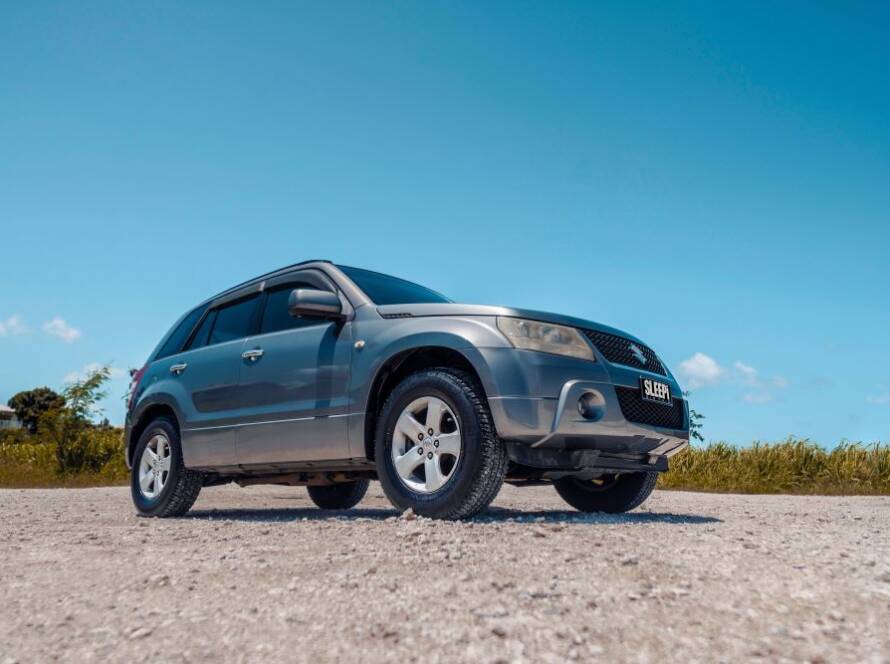
Buying a car in Barbados is not cheap. Import duties, excise tax and VAT stack up fast, so a brand-new compact car that might cost the equivalent of BBD 40,000 somewhere else can easily carry a local sticker price well past BBD 60,000. For most working people on the island, that math simply does not add up.
This is why the second-hand market matters so much here. A well-kept used car gives you the same freedom to get from Speightstown to Oistins without the loan payment that keeps you up at night. The good news is that Barbados has a healthy pre-owned market, from formal dealer lots to private sellers advertising on local classifieds. The catch is that a cheap car is only a bargain if it is also a sound one.
Here is how to shop smart:
What “cheap” actually looks like in Barbados
Be realistic about numbers before you start browsing, or you will waste weeks chasing cars that do not exist.
At the low end, roughly BBD 8,000 to 15,000, you are looking at older small cars with real mileage on them think a ten-to-fifteen-year-old Toyota Vitz, Honda Fit, Suzuki Swift or Nissan March. These can be perfectly good runabouts, but expect to spend something on tyres, brakes or a service soon after you buy.
In the BBD 16,000 to 30,000 range, the market opens up considerably. You can find newer, lower-mileage Japanese imports, tidier sedans like a Toyota Axio or Corolla, and the occasional small SUV in decent shape.
Above BBD 35,000, you are moving into recent hybrids, nearly-new dealer stock and popular SUVs such as the Honda Vezel or Toyota RAV4. Still cheaper than new, but no longer a budget purchase.
One useful quirk of the island works in your favour: Barbados is only 21 miles long. Cars here often clock up far less annual mileage than vehicles in bigger countries, so a ten-year-old local car may have surprisingly modest numbers on the odometer.
Where to find used cars on the island
- Dealer pre-owned lots. The established names Inchcape Barbados, ANSA Motors, Nassco and Barbados Motors among them all carry used and reconditioned stock. Prices are higher than private sales, but you usually get a warranty of some kind, service history and a business that will still be there next month if something goes wrong. If this is your first car, the extra cost buys real peace of mind.
- Local online classifieds. Sites such as 246Zone, AutoTrader Barbados, Bajan Autos and Cyphoma carry hundreds of listings from both dealers and private sellers. These are the best places to get a feel for fair pricing on a particular model. Search the same car across two or three sites before you decide what it is worth.
- Facebook Marketplace and word of mouth. Some of the best private deals never reach a formal listing site. Village mechanics, church noticeboards and family connections still move a lot of cars in Barbados. If you know someone who services vehicles for a living, tell them what you are looking for.
- Bank repossessions and estate sales. Occasionally advertised in the newspapers, these can be genuinely cheap. They are also sold as-is, so bring a mechanic.
- Imported units from Japan. Buying a reconditioned car directly from a Japanese exporter can look very attractive on price. Just remember that duties, freight, port charges and registration all land on top of the advertised figure, and you are buying largely on photographs and an auction grade sheet.
Models that earn their keep here
Parts availability and mechanic familiarity matter more on a small island than anywhere else. A rare European model may be a lovely car, but if the nearest part is a three-week wait and two mechanics on the island will touch it, it is not a cheap car.
Safe, sensible picks include the Toyota Vitz, Yaris, Axio and Corolla; the Honda Fit and Civic; the Nissan March and Note; the Suzuki Swift, Alto and Grand Vitara; and the Kia Picanto and Hyundai i10. All are common here, cheap to insure, easy on fuel and simple to fix.
If you need something bigger, the Suzuki Grand Vitara, Honda Vezel and Toyota RAV4 all have strong local followings.
Checks that matter in a Caribbean climate
A car that looks clean in a Bridgetown car park can still be a problem. Focus your inspection on the things island life punishes hardest.
- Rust. This is the big one. Salt air is relentless. Get the car on a lift or at least get down on the ground with a torch and check the underbody, sills, wheel arches and around the boot floor. Surface rust is negotiable. Flaking, bubbling or soft metal is a walk-away.
- Suspension. Potholes and uneven road edges destroy bushings, shocks and struts. Listen for knocking over rough ground and check for uneven tyre wear.
- Air conditioning. In this heat, a broken AC is not a minor issue. Run it for a full ten minutes and make sure it stays cold.
- Flood history. After heavy rain events, water-damaged cars sometimes quietly change hands. Sniff for damp or mildew, lift the carpets, and check for silt in the spare wheel well or under the seats.
- Hybrid batteries. Hybrids are increasingly common and genuinely cheap to run, but a failing battery pack is an expensive repair. Ask for evidence of battery health on any hybrid over about eight years old.
Above all, pay a mechanic to inspect the car before you hand over money. A couple of hundred dollars spent here regularly saves thousands later. Any seller who refuses an independent inspection has told you everything you need to know.
The paperwork, in plain terms
Buying privately means you handle the transfer yourself. In broad strokes, you will need:
- A transfer certificate or letter signed by the seller and by every person named on the existing title, not just the one standing in front of you.
- A valuation certificate for the vehicle.
- A weight certificate from a weighbridge.
- An insurance cover note from your insurer, which you arrange before registration.
- Registration with the Barbados Revenue Authority, which is handled through the BRA online portal, with payment made via SurePay or another accepted method.
Note that road tax on private vehicles was abolished back in 2018. Private vehicle registration is now tied to insurance compliance when you renew your policy, your insurer reports that to the Barbados Licensing Authority and the annual registration disc can be obtained electronically. Vehicles over a certain age also need a roadworthiness inspection, so ask about this before you buy an older car.
Fees and requirements do change, so confirm the current position with the BRA or the Licensing Authority rather than relying on what a seller tells you.
Budget for the real cost
The purchase price is not the full price. Set aside money for insurance, registration, an inspection, and an early service including fluids, filters and probably tyres. A sensible rule is to keep about 10 to 15 percent of your car budget in reserve for the first few months of ownership.
A word on scams
Be cautious with listings that show a suspiciously low price in US dollars, feature an overseas WhatsApp number, and ask for a deposit before you have seen the vehicle. If you cannot stand next to the car and put your hand on it, do not send money.
Conclusion
Cheap second-hand cars are genuinely available in Barbados, and plenty of people drive reliable vehicles bought for well under BBD 20,000. The buyers who do well are simply the patient ones: they compare listings across several sites, stick to models with good local parts support, pay a mechanic to look underneath, and get the paperwork right the first time.
Take your time. The right car at the right price turns up more often than you think.