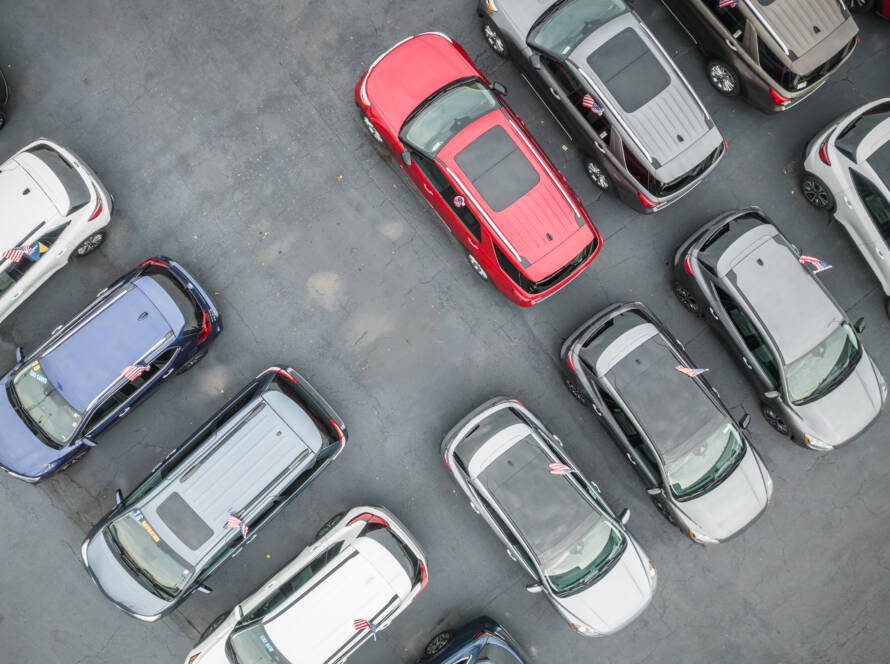
If you’ve driven around Nassau or Freeport lately, you’ve probably noticed how many sharp-looking Toyotas, Hondas, Nissans, and Suzukis are on the road. Many of them aren’t coming from Florida dealerships. They’re coming straight from Japan. Japanese import cars have become a go-to choice for Bahamian drivers who want reliability, good fuel economy, and a fair price. Here’s what makes them so popular and how to buy one without getting burned.
Why Japanese Imports Are Such a Good Fit for the Bahamas
Start with the obvious one: the Bahamas drives on the left. Japan does too. Japanese cars are built as right-hand drive, which matches left-side traffic, so the steering position, mirrors, and even the headlight pattern make sense on our roads. If you’ve ever tried overtaking in a left-hand-drive car on a two-lane road, you know how much easier it is when you’re sitting closer to the center line.
Then there’s the condition. Japan has strict vehicle inspection rules (the famous shaken system), and the costs of keeping older cars legal push many owners to sell while their vehicles are still in great shape. Add the fact that many Japanese owners drive short city trips and keep detailed service records, and you can often find a five- or six-year-old car with surprisingly low mileage.
Finally, there’s value. A comparable used car from the US or Canada can cost noticeably more once you factor in the market. Even after shipping and duty, a Japanese import often lands at a price that’s easier on the wallet.
The Cars Bahamians Keep Asking For
Island driving has its own demands: short hops, traffic in town, the occasional rough patch, salty air, and plenty of heat. Some models handle this better than others.
- Compact cars and hatchbacks. The Toyota Vitz, Honda Fit, Nissan Note, and Suzuki Swift are favorites for good reason. They’re light on gas, easy to park, and cheap to run. If you’re commuting around New Providence, these are hard to beat.
- Small SUVs and crossovers. The Toyota Rav4, Honda Vezel, Nissan Juke, and Mazda CX-5 give you a higher seat, more space, and extra confidence on uneven roads, without the fuel bill of a big truck.
- Family vehicles and minivans. The Toyota Noah, Voxy, and Alphard, along with the Honda Odyssey and Nissan Serena, are popular with families and with anyone running tours or shuttle services. Sliding doors and flexible seating are a real bonus.
- Pickups and work vehicles. The Toyota Hilux and Mitsubishi L200 are known for holding up under hard use, which is why contractors and small business owners like them.
- Hybrids. The Toyota Prius and Aqua, plus the Honda Fit Hybrid, are growing in popularity as fuel prices climb. Hybrids from Japan are plentiful, and many are very well maintained.
How Japanese Cars Are Graded
One thing that surprises first-time buyers is how organized the Japanese used car market is. Most cars are sold through auctions, and each one is inspected and given a grade, usually from 1 to 5, along with a letter for the interior (like A through D).
A rough guide:
- Grade 5 or 4.5: Excellent, almost like new.
- Grade 4: Very good, with minor cosmetic marks.
- Grade 3.5: Decent, with some visible wear.
- Grade 3 and below: Noticeable wear or repairs. Be careful here.
- Grade R or RA: The car has had accident repair. Some buyers avoid these entirely.
The auction sheet also lists mileage, any scratches or dents (marked with a small diagram), and notes about the interior and engine. Learning to read it, or working with someone who can, is the best protection you have. Always ask for a translated copy of the auction sheet and don’t be shy about asking questions.
What It Really Costs
The sticker price in Japan is only part of the picture. When you budget for a Japanese import, think about these costs together:
- The vehicle price at auction or from an exporter.
- Export fees and inland transport within Japan.
- Shipping to the Bahamas, usually by roll-on/roll-off vessel or container.
- Import duty and other taxes, which can be significant in the Bahamas and depend on the vehicle’s value.
- Clearing and broker fees.
- Licensing, inspection, and registration once the car arrives.
The Bahamas has historically charged high duties on vehicles, so the final bill can be much bigger than people expect. Rates and rules change, so check the latest figures with Bahamas Customs and Immigration and the Road Traffic Department before you commit. A quick call or visit now can save you thousands later.
Two Ways to Buy
- Option 1: Buy from a local dealer. Several dealers in Nassau and Freeport bring in Japanese vehicles and sell them ready to drive. You pay more than the raw import cost, but you get convenience, a car you can inspect in person, and someone local to call if something goes wrong. For most first-time buyers, this is the easiest path.
- Option 2: Import it yourself. You can work with a Japanese exporter, pick a car online, and handle shipping and clearing with a broker. This can save money, but it takes more patience and more homework. You’re trusting photos, an auction sheet, and an exporter’s reputation. If you go this route, check reviews, ask for references, and never wire money to someone you haven’t verified.
Things to Check Before You Buy
Whether you’re looking at a dealer’s lot or an online listing, run through this list:
- Mileage and records. Odometer tampering is rare with graded auction cars, but it’s still smart to verify with the auction sheet and service history.
- Rust and salt damage. Japan’s coastal and snowy regions use road salt, so ask where the car came from and request undercarriage photos.
- Accident history. A repaired car isn’t always a bad car, but you should know what you’re buying and pay accordingly.
- Hybrid battery health. If you’re buying a hybrid, ask about the battery’s condition and whether a test has been done.
- Parts availability. Toyota, Honda, and Nissan parts are easy to find, but some Japan-only models can be harder to fix. Ask a local mechanic before you fall in love with a rare model.
- Climate and electronics. Make sure the air conditioning is strong. In our heat, you’ll use it constantly.
- Navigation and audio. Many cars come with Japanese-language screens and radios. They can often be switched or replaced, but it’s worth asking.
Keeping It Running Well
Japanese cars have a reputation for dependability, but they still need care. Island conditions are tough on vehicles, so wash your car often, especially the underside, and keep an eye on rust-prone spots. Stick to regular oil changes and use quality fluids. Find a mechanic who’s comfortable with Japanese imports, since a few of them use different part numbers and settings than the US-market versions.
A good mechanic will also tell you honestly if something’s about to wear out, which beats a surprise breakdown on Queen Elizabeth Drive.
Mistakes to Avoid
Purchasing based solely on price is the most frequent error. A bargain car with hidden damage costs far more in the end. The second is ignoring the full cost, so you end up shocked at the duty bill. The third is rushing. Take your time, compare a few cars, and ask plenty of questions.
Also, don’t skip the paperwork. Make sure you have the export certificate, bill of sale, and every document your broker and the Bahamian authorities require.
Conclusion
Japanese import cars make a lot of sense for Bahamian drivers. They match our left-side driving, they’re economical to run, and they come in all shapes and sizes, from tiny city hatchbacks to family-sized minivans. You may drive away in a car that is durable, cozy, and enjoyable to own with a little homework, a clear budget, and a reliable vendor.
If you’re thinking about making the switch, start by visiting a local dealer, comparing a few models, and getting a clear picture of the duty costs. A little planning goes a long way, and the right car is out there waiting for you.