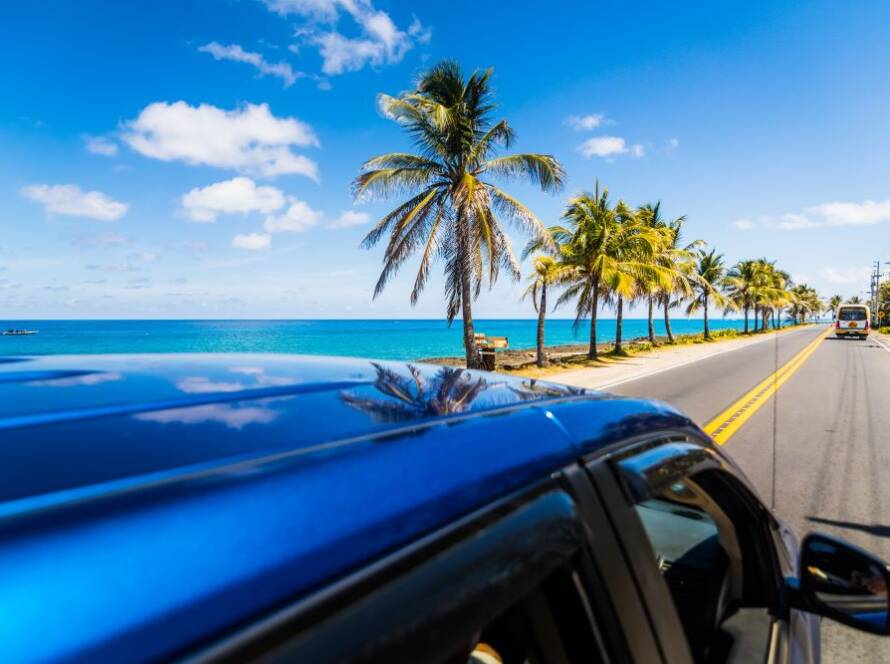
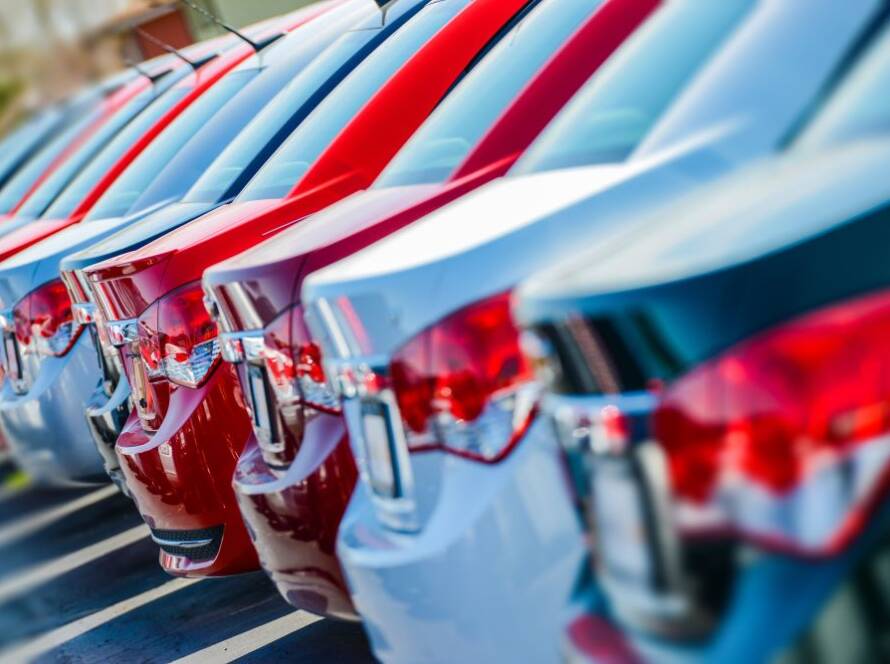
Walk through Nassau at rush hour, or cruise down Queen Elizabeth Drive on a Sunday, and you’ll spot the same badge again and again. Toyota. It’s on the little Yaris dodging traffic on Bay Street, the Corolla carrying a family to church, and the Hilux rattling toward a job site in Freeport. There’s a reason for that. In the islands, a car that starts every morning is worth more than a car that looks impressive.
If you’re hunting for a second-hand Toyota in the Bahamas, here’s what you want to know before spending a dollar.
Why Toyota Keeps Winning in the Islands
Island driving is tough on vehicles. Salt air creeps into every seam. Heat bakes the dashboard. Short trips never let the engine fully warm up, and some roads aren’t kind to suspensions. A car that survives that and keeps going earns respect.
Toyotas have a reputation for doing exactly that. Parts are easy to find, mechanics know them inside and out, and they hold their value better than most rivals. When you eventually sell, someone will want it. In a tiny market, where a lemon may follow you around based on reputation, it is important.
The Models You’ll See Most Often
- Toyota Corolla. The classic choice. It’s economical, comfortable, and simple enough that almost any garage can work on it. If you want a sensible daily driver, start here.
- Toyota Camry. A bit more room and a smoother ride. Good for families or anyone who spends a lot of time on the road between settlements.
- Toyota Yaris and Vitz. Small, cheap to run, and easy to park in tight Nassau streets. Great for a first car or a second household vehicle.
- Toyota RAV4. Popular for the higher seating position and the extra space for groceries, beach gear, and kids. Prices tend to run higher, but so does resale value.
- Toyota Hilux and Tacoma. The workhorses. Contractors, farmers, and anyone hauling equipment lean on these. Expect plenty of wear on older examples, so inspect carefully.
- Toyota Prius. With fuel costs being what they are on the islands, a hybrid can make real sense. Just check the battery condition before you buy.
Where to Look
Each of the several routes you have has a distinct personality.
- Local dealerships and used car lots. This is the easiest path. Cars are usually already cleared through customs, registered, and ready to drive. You’ll pay a little more for the convenience, but you get someone to hold accountable if something goes wrong.
- Private sellers. Classified sites, social media groups, and word of mouth can turn up bargains. Many nice cars are discreetly traded between acquaintances in a small town. Ask around. You’d be surprised how often a neighbor’s cousin is selling exactly what you need.
- Importing yourself. Some buyers bring cars in from the US or Japan to get a specific model or a better price. It can work, but it’s not a casual undertaking, and I’ll get to why in a moment.
Pricing: What to Expect
I can’t give you a reliable number without knowing the year, mileage, and condition, and prices move around. As a general idea, older Corollas and Yaris models sit at the budget end, mid-aged Camrys and RAV4s land in the middle, and newer trucks and SUVs climb quickly. Vehicles in the Bahamas generally cost more than in the US because of duties and shipping, so don’t be shocked when a ten-year-old car carries a price tag that would make a Florida buyer laugh.
My advice is to compare at least five listings of the same model before you make an offer. You’ll quickly learn what’s fair and what’s inflated.
The Import Question
Duties are the big thing to understand. The Bahamas is a duty-based economy, and vehicles are taxed heavily. According to one import guide, duty on a used car is charged on its CIF value, at 45% for cars worth $10,000 or less, 50% for $10,000 to $20,000, and 65% above $20,000, with VAT and other fees on top. Another guide notes that rates for vehicles were adjusted in the 2025 tariff and excise amendments, so it’s worth checking current figures with Bahamas Customs.
Those sources don’t fully agree on every detail, including age limits and the exact tax lines, which tells you something. Rules change, and what applied last year may not apply now. Before you buy a car overseas, call Customs or talk to a licensed broker. Get the total landed cost in writing. Plenty of people have fallen in love with a bargain abroad, then found that duty, freight, and fees erased the savings.
For most buyers, a car already in the country is the stress-free option.
Inspecting a Used Toyota: What Actually Matters
A clean exterior tells you almost nothing. This is what I would check, in the order that I would check it.
- Rust. This is the island killer. Get down and look under the car. Check the wheel arches, door bottoms, the frame, and the brake lines. Surface rust is common. Rust that flakes away in chunks is a walk-away situation.
- Service history. Toyotas forgive a lot, but not neglect. Ask for records of oil changes, timing belt or chain work, and any major repairs. No paperwork isn’t automatically a dealbreaker, but it should lower the price.
- Flood damage. Hurricane season leaves its mark. Look for damp carpets, a musty smell, silt in the trunk or under the seats, and fogging inside the lights. A flooded car can look fine for months, then fall apart electrically.
- The air conditioning. In this climate, it’s not a luxury. Turn it to max and make sure it blows properly cold within a minute or two. Repairs can get expensive.
- The test drive. Drive it for at least twenty minutes. Listen for knocks, clunks, or whining. Brake hard once in a safe spot. Check that the car tracks straight and the transmission shifts without hesitation.
- A mechanic’s opinion. If you’re spending serious money, pay a trusted mechanic to look it over. It usually costs a small fraction of the car’s price and can save you from a very bad decision.
Paperwork and Getting It Legal
Sorting out the paperwork properly protects you later. Make sure the seller has a clear title, that the VIN on the car matches the documents, and that all duties have been paid. Ask for a proper receipt. You’ll need to handle registration, licensing, and insurance, so check the current requirements with the Road Traffic Department before handing over cash.
Also remember that the Bahamas drives on the left. Most cars here are left-hand drive, which can feel odd at first, so a long test drive is smart if you’re new to it.
A Few Smart Buying Habits
- Don’t rush. Sellers sometimes pressure buyers with “someone else is coming this afternoon.” If the car is good, there’ll be another good one next week.
- Negotiate politely. A friendly, firm approach works better than an aggressive one. Point out real issues, like worn tires or a cracked windshield, and ask for a fair adjustment.
- Budget beyond the price. Insurance, a fresh set of tires, a full service, and small repairs add up. The car won’t become a burden in the first month if a cushion is set up.
- Think about your actual life. A giant truck looks cool until you’re squeezing it into a parking spot or paying for fuel every week. Match the car to your commute, family, and budget, not to your ego.
Conclusion
Buying a second-hand Toyota in the Bahamas isn’t complicated, but it does reward patience. The brand’s strong reputation makes it a safe bet, yet even the toughest Toyota can be ruined by salt, neglect, or a flood. Look closely, ask questions, check the paperwork, and don’t fall for shiny paint.
Do that, and you’ll likely end up with something that serves you for years, through hot summers, hurricane scares, and every errand in between. That’s what a good island car should do.