Buying a used car in the Bahamas isn’t quite like buying one on the mainland. It’s an island nation. Cars don’t roll in from the next town over, salt air is hard on metal, and a bad purchase can cost you a lot more than a bad day. The good news is that you have more options than you might think, from local marketplaces to overseas exporters.
Here’s where to look, what each option does well, and how to avoid the usual headaches.
1. Automall Bahamas
If you want something built for this market, start here. Automall Bahamas is a local marketplace designed specifically for buying and selling vehicles across The Bahamas, so listings and transactions stay local. It also runs as an app, so you can browse from your phone.
Its biggest strength is that you aren’t wading through listings from Texas or Toronto. Sellers can add photos and detailed descriptions, and buyers can browse cars, SUVs, and trucks in one place.
Best for: Purchasers seeking local vehicles and local vendors without the hassle of shipping internationally.
Watch out for: Any new platform is only as good as its listings. Check how recently a car was posted, and don’t assume every ad is still live.
2. Facebook Marketplace and Local Groups
Ask almost anyone in Nassau or Freeport where they found their last car, and Facebook comes up a lot. Marketplace, plus buy-and-sell groups focused on the Bahamas, is where many private sellers list their cars first.
You’ll find everything from a cheap runabout for a teenager to a clean family SUV from someone who’s moving off island. Prices are often negotiable, and sellers tend to reply fast.
Best for: Those who enjoy haggling and bargain hunting.
Watch out for: Scams. Be wary of anyone who wants a deposit before you’ve seen the car, or who says they’re “out of the country” and will ship it to you. Meet in person, in daylight, preferably somewhere public.
3. Local Dealership Websites
Don’t overlook the dealers themselves. Several used car lots in Nassau run their own pages or social accounts where they post current stock. Well-known companies like B P B Auto Sales & Rentals Ltd on Robinson Road are listed in business directories and Ron’s All Brands Import Truck & Car Sales Ltd on Robinson Rd. East. Those are only two examples, and plenty of others are worth checking.
Accountability is a major benefit of purchasing from a dealer. They have a reputation to protect, a physical address, and usually some paperwork to show for the car. You may even get a short warranty or a service check included.
Best for: Purchasers that prefer peace of mind over extremely low prices.
Watch out for: Dealer prices are usually higher than private ones, so ask what’s included before you sign.
4. Japanese Used Car Exporters
This surprises some newcomers, but a lot of the cars you see on Bahamian roads are Japanese imports. You can even see it in the rental fleets, which list models like the Daihatsu Boon and Nissan Serena. Those are popular in Japan and common here too.
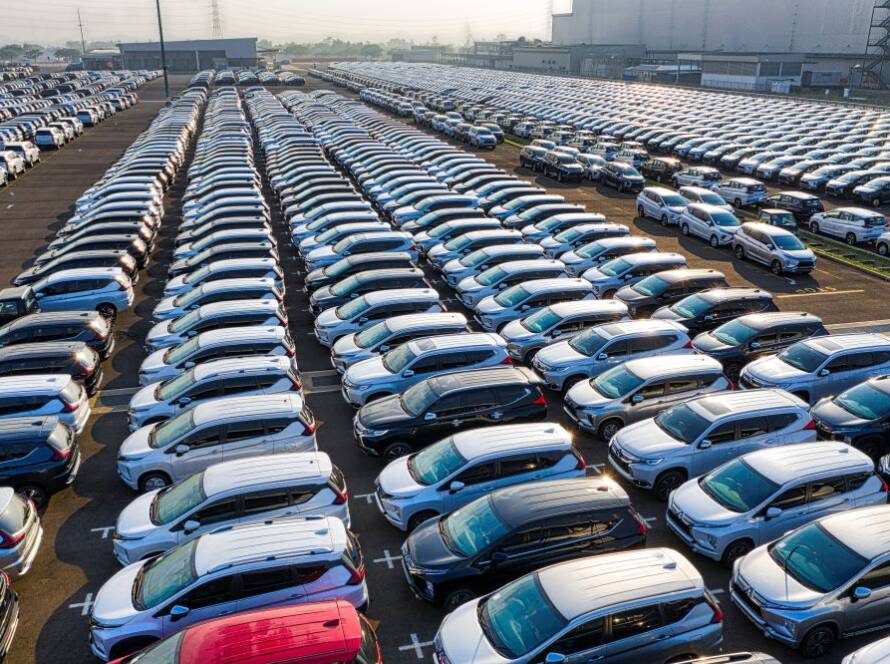
Websites such as BE FORWARD and SBT Japan (both well-known exporters) let you browse thousands of low-mileage cars from Japanese auctions and dealers. The cars are often cleaner and newer than what you’d find locally at the same price.
Best for: Buyers who want low mileage and a wider choice, and who don’t mind waiting a few weeks.
Watch out for: Shipping, import duty, and clearance fees.The price listed on the website is never the total cost. Add up every cost before you commit, and ask a local broker or customs agent for a realistic estimate.
5. US Marketplaces with Shipping from Florida
Florida is close, and plenty of Bahamians buy from there. Large US platforms like Autotrader, Cars.com, and CarGurus list enormous inventories, and shipping from Florida to Nassau is a well-worn route.
You’ll get far more variety here than on any local site, including trucks, hybrids, and lightly used newer models.
Best for: Buyers after something specific, like a particular trim or color.
Watch out for: Mismatched expectations. A car that spent its life in Ohio winters is a different animal from one that’s lived in Florida. Before sending any money, you should always pay for a vehicle history report and, ideally, an independent inspection.
What to Check Before You Pay Anyone
No matter which site you choose, the same rules apply on an island.
- Look for rust. Salt air and sea spray are tough on cars. Check the wheel arches, the underside, the door bottoms, and the exhaust. A shiny paint job can hide a lot.
- Ask for the paperwork. You want a clear title or ownership documents, a customs record if the car was imported, and a current licence and inspection. Walk away from a merchant if they are unclear about any of these.
- Get a mechanic to look at it. Even a one-hour inspection can save you thousands. Choose someone you trust, not someone the seller recommends.
- Test drive it properly. Drive on a bumpy road, a straight road, and in stop-and-go traffic. Test the air conditioning, because in this climate it matters a lot. Listen for odd noises from the suspension and brakes.
- Check which side the steering wheel is on. Many Japanese imports are right-hand drive, and the Bahamas drives on the left. Some drivers like that setup, and others find it awkward when overtaking or using drive-throughs. Know what you’re comfortable with before you fall for a car.
- Think about parts and service. A rare model may be cheap to buy and a nightmare to repair. Ask a local mechanic whether they can source parts for it. Toyotas, Hondas, Nissans, and Suzukis are usually the safest bets.
A Few Money-Saving Tips
Establish a budget for everything, not just the cost of a car. Insurance, licensing, registration, and basic repairs add up fast, so leave room for them.
Be patient. Rushed buyers pay more. If you’re willing to check listings every few days, you’ll start to spot which prices are fair and which are inflated.
Negotiate politely. Most sellers expect it. Point out genuine issues, like worn tires or overdue servicing, and ask for a fair adjustment.
Don’t skip the small stuff. Check that the VIN on the paperwork matches the one on the car, and take photos of everything before you hand over cash.
So, Which One Should You Choose?
There’s no single winner. It depends on what you value most:
- Want convenience and local cars? Try Automall Bahamas first.
- Want a deal and don’t mind doing your homework? Facebook Marketplace and community groups are hard to beat.
- Want reassurance? Visit a local dealer.
- Want low mileage and variety? Look at Japanese exporters.
- Want a specific model? Browse US sites and price out the shipping.
Many smart buyers use two or three of these at once. They scroll local listings for a baseline price, then check exporters or US sites to see whether a better deal is out there.
Conclusion
Finding a good used car in the Bahamas takes a little more effort than clicking “buy now,” but it’s absolutely doable. Take your time, trust your gut, and never pay for a car you haven’t seen, or had checked, unless you’re working with a proven, reputable exporter. A reliable car on these roads is worth the extra homework.