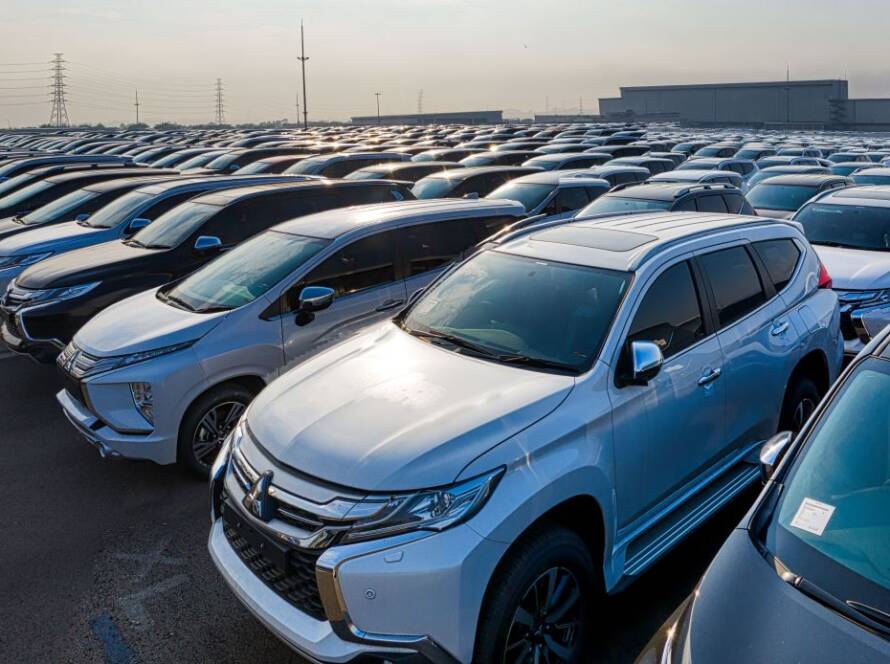
If you live in Barbados and you’ve started scrolling through used car listings in the United States, you’re not alone. Toyotas hold their value, they’re famously tough, and the American market has a huge supply of them at prices that can look very tempting next to local lots. But buying a car thousands of miles away, then getting it onto a small island, is a different game from walking into a dealership in Bridgetown. This blog walks you through it in plain terms, so you can shop smart and avoid the expensive surprises.
Why Toyota Is Such a Popular Pick
There’s a reason you see so many Toyotas on Barbadian roads. They’re reliable, parts are easy to find, and almost every mechanic on the island has worked on one. A well-kept Corolla or Camry can pass 200,000 miles without drama. Resale value stays strong too, which matters if you plan to sell in a few years.
The US market also offers models and trim levels you won’t always find locally. You get a wide range of ages, mileage and budgets, from a ten-year-old Corolla to a low-mileage RAV4 that’s only a few years old. More choice means more chance of finding the right car at the right price.
The Big Question: Left-Hand Drive
Here’s the first thing to sort out before you fall in love with any listing. Barbados drives on the left, and most of the cars you see here are right-hand drive imports. Cars sold in the US are left-hand drive.
Plenty of people still import US-spec cars, but you need to be sure the specific vehicle can be registered and licensed. Rules around imports can change, so contact the Barbados Licensing Authority and a licensed customs broker before you pay a deposit. Ask them directly: can this model and year be registered, and are there any conditions or inspections? Five minutes on the phone can save you from owning a very expensive driveway ornament.
Also think honestly about daily life with a left-hand drive car. Overtaking takes more care, drive-through windows and parking tickets feel awkward, and some people simply never get comfortable. If you’ve never driven one on the left side of the road, borrow one first.
Which Used Toyotas Make the Most Sense for Barbados
Barbados is small, roads can be narrow, and fuel isn’t cheap. That points toward a few sensible choices.
- Toyota Corolla. The classic island car. Economical, easy to park, cheap to maintain. Great for commuting and for first-time buyers.
- Toyota Camry. More space and a smoother ride. Good for families, and still reasonable on fuel, especially the four-cylinder versions.
- Toyota RAV4. A small SUV with a higher seating position, which helps on rougher roads and in the rainy season. Slightly thirstier, but very practical.
- Toyota Prius or other hybrids. Excellent fuel economy for stop-and-go driving. Just ask about the condition of the hybrid battery and check what warranty or service history exists. Hybrid battery repairs can be costly.
- Toyota Tacoma. Popular with contractors and anyone hauling gear. Reliable yet larger and more costly to import and operate.
Think about how you actually drive. If you mostly do school runs and trips to the supermarket, a big truck is overkill.
Where to Find Used Toyotas in the USA
You have a few routes, and each has trade-offs.
- Franchise dealers. Toyota dealerships often sell certified pre-owned cars with inspections and extended coverage. Prices run higher, but the paperwork is clean and the quality is usually dependable. Some are used to dealing with overseas buyers.
- Independent used car dealers. More variety and lower prices, though quality varies a lot. Check reviews and be firm about inspections.
- Online marketplaces. Sites like Autotrader, Cars.com and CarGurus make it easy to compare models and prices across states. They’re great for research, but treat every listing with a healthy dose of suspicion.
- Auctions. You can find bargains, but you’re buying with limited inspection and a real risk of hidden problems. Unless you know what you’re doing or have an experienced agent, it’s best to skip this route.
If you can’t travel, a trusted exporter or buying agent in the US can inspect cars for you, handle payment and arrange shipping. Choose one with a track record and references from other Caribbean buyers.
Check the Car’s History Before You Get Excited
Before you send any money, run the VIN through a vehicle history report such as Carfax or AutoCheck. Look for accident records, odometer problems, number of owners and service history.
Two red flags deserve special attention:
- Flood damage. Hurricanes regularly hit states like Florida and Texas, and flood-damaged cars sometimes get cleaned up and resold. Look for water stains, a musty smell, silt under the carpets, or rust in odd places.
- Salvage or rebuilt titles. These cars were once written off by an insurer. Some are fine, but they can be hard to insure and harder to resell.
You can also check the VIN for open safety recalls on the US government’s NHTSA website. It’s free and takes a minute.
Get an independent pre-purchase inspection from a mechanic you trust, not one the seller recommends. Pay particular attention to the underbody. Barbados has salty sea air that’s tough on metal, so you don’t want to import a car that already has a rust problem.
Understanding the True Cost
The sticker price is only the beginning. Many buyers get caught out by adding up the costs too late. Build a budget that covers:
- The purchase price and any dealer fees.
- Inland transport from the seller to the port, often in Florida, Georgia or Maryland.
- Shipping to Bridgetown, either roll-on/roll-off or in a container.
- Marine insurance during transit.
- Customs duties and taxes in Barbados, which depend on the car’s value, age and engine size.
- Clearing and broker fees, plus port charges.
- Registration, licensing and any required inspection once the car arrives.
Barbados duties and taxes can add a large chunk to the cost of a vehicle, so get a written estimate from a customs broker or the Barbados Revenue Authority before you commit. Rates and rules change, so don’t rely on what a friend paid two years ago.
Once you add everything up, compare it with similar cars for sale locally. Sometimes the import saving is real. Other times it shrinks to almost nothing, and buying locally gives you less stress and a car you can see and test drive.
Shipping and Paperwork Made Simple
You’ll need the title (the ownership document), a bill of sale, your ID, and shipping and customs paperwork. Make sure the title is clean and in the seller’s name, and keep copies of everything.
Shipping from the US East Coast to Barbados usually takes a couple of weeks once the vessel sails, though scheduling, port delays and weather can stretch that. Roll-on/roll-off shipping is usually cheaper, while container shipping gives more protection and lets you lock the car away from the elements. Remove valuables and personal items from the car before it ships, since many shippers don’t allow them.
A good customs broker is worth every dollar. They’ll tell you what documents Barbados needs, help you avoid delays and keep the process moving.
A Few Smart Habits That Pay Off
- Take your time. Rushing is how people buy the wrong car.
- Don’t wire money to strangers. Scams targeting overseas buyers are common. Be wary of prices that seem too good to be true, sellers who refuse video calls, or anyone pushing you to pay fast.
- Ask for lots of photos and a live video walk-around, including the engine bay, tyres, dashboard and underbody.
- Check maintenance records. Regular oil changes and timing-related service tell you a lot about how the car was treated.
- Think about parts. Stick to common models and years so your local mechanic can keep it running easily.
- Plan for a post-arrival check-up. Even a good car benefits from fresh fluids, a battery test and an alignment after a long journey.
Conclusion
Buying a used Toyota from the USA can be a smart move if you do your homework. You get access to a bigger market and potentially better value, but only if you confirm the car can be registered in Barbados, check its history carefully and count every cost in the process. Talk to a customs broker early, insist on an independent inspection, and compare your final total with what’s available at home.
Do it right, and you’ll end up with a dependable car that carries you around the island for years. Do it in a hurry, and the “bargain” can turn into a headache. Take it slow, ask plenty of questions, and enjoy the drive.