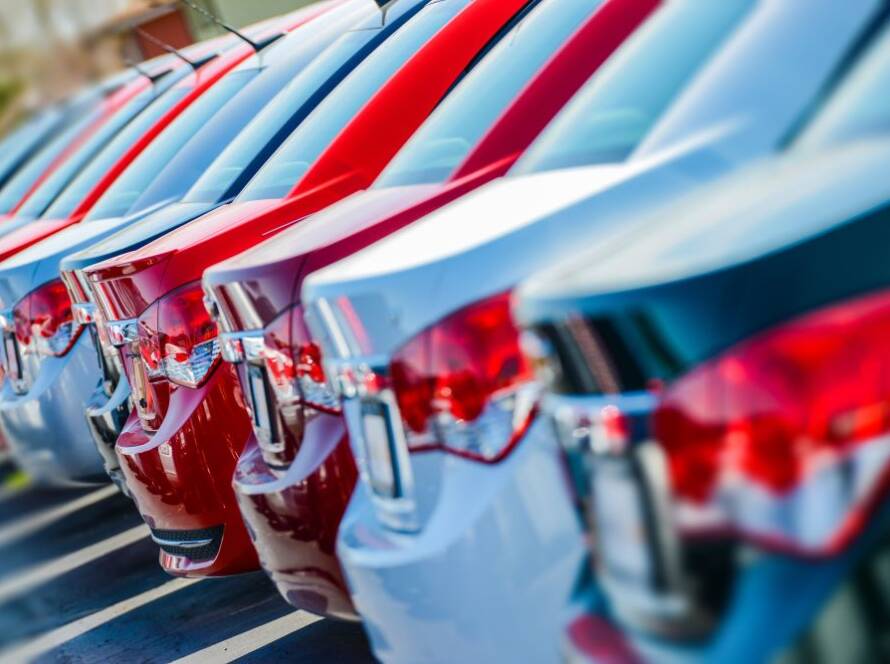
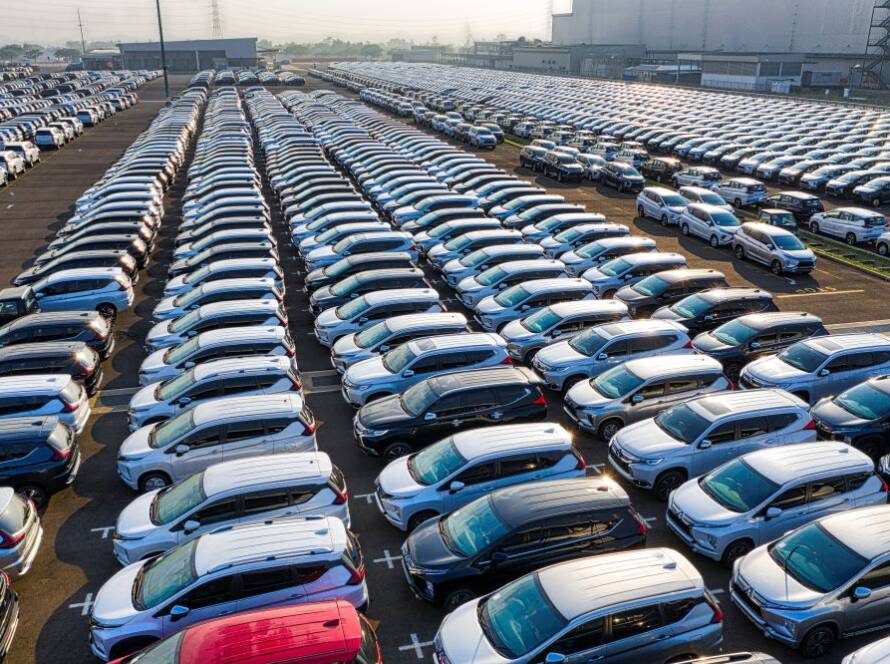
Buying a car anywhere is stressful. Buying one on an island, where salt air eats metal for breakfast and everything costs a little more, adds another layer. The good news is that a decent, affordable used car is absolutely within reach. All you have to do is enter with an open mind.
Here’s how to do it, step by step.
Start With a Real Budget
Before you scroll a single listing, figure out what you can actually spend, and I mean the whole cost, not just the sticker price.
Think about the purchase price, then add insurance, the annual licence and inspection, a few repairs you’ll probably need in the first month, and fuel. Gas isn’t cheap here, so a thirsty SUV can quietly drain your wallet every week.
A good rule is to keep about 10 to 15 percent of your budget aside for surprises. Used cars love surprises, and they’re rarely the fun kind.
Pick a Car That Suits Island Life
The Bahamas isn’t kind to vehicles. Short trips, stop-and-go traffic, heat, humidity, and salt in the air all take a toll. So the best cheap cars here tend to be simple and tough.
Small Japanese sedans and hatchbacks are popular for good reason. Think Toyota, Honda, Nissan, and Suzuki. They sip fuel, parts are easy to find, and local mechanics know them inside out. If you’re living in Nassau or Grand Bahama, a compact car is usually all you need. If you’re out on a Family Island with rougher roads, you might want something with a bit more ground clearance.
One thing that confuses newcomers: the Bahamas drives on the left, but you’ll see both left-hand-drive cars (often imported from the US) and right-hand-drive cars (often from Japan) on the road. Either can work, but think about which one you’ll be comfortable driving, especially when overtaking. Parts and repair familiarity can differ too, so ask a mechanic what they see most.
Know Where to Look
You’ve got several options, and each has its own pros and cons.
- Local dealerships. Used-car lots in Nassau and Freeport are the easiest route. You’ll usually get paperwork handled and sometimes a short warranty. The trade-off is that prices tend to be higher because the dealer needs a margin.
- Private sellers. This is where the real bargains live. Check Facebook Marketplace, local Facebook groups for buying and selling cars, classified listings, and old-fashioned “For Sale” signs in car windows. Word of mouth matters a lot on a small island too. Tell your coworkers, neighbours, and church friends you’re looking. Someone always has a cousin selling a Corolla.
- Importing. Some people bring cars in from the US or Japan. It can work out cheaper on the car itself, but import duty, shipping, and fees can be steep. If you go this way, get the full cost in writing first and double-check current duty rates with Customs, because they change. For a cheap car, buying locally is usually simpler.
Check the Car Like You Mean It
This is the part people rush, and it’s where they get hurt. Take your time.
Start with the outside. Look for rust, especially underneath, around the wheel arches, and along the door bottoms. Surface rust is common here and not always a deal-breaker, but flaky, bubbling metal or holes mean walk away. Mismatched paint or uneven gaps between panels can signal a past accident.
Then check inside. Press on the carpet and sniff. A musty smell, damp carpet, or silt under the seats can mean flood damage, which is a real concern after hurricane season. Flooded cars develop electrical gremlins that can haunt you for years. Test every switch: windows, locks, lights, wipers, radio, and especially the air conditioning. In this climate, AC isn’t a luxury. A broken compressor can cost a few hundred dollars or more to fix.
Pop the hood. Look for oil leaks, cracked hoses, and a battery covered in crusty white buildup. Pull the oil dipstick. Milky or creamy oil is a bad sign. Check the coolant too, and make sure the engine is cold when you arrive. If the seller has already warmed it up, they might be hiding a hard-starting problem.
When you drive it, listen. Clunks over bumps, squealing brakes, a shaky steering wheel, or a gearbox that slips or jerks are all red flags. Try it in traffic, on a faster stretch, and in reverse. Make sure it doesn’t overheat while sitting at idle.
Get a Mechanic to Look at It
If there’s one piece of advice I’d tattoo on every buyer’s arm, it’s this: pay for an independent inspection. A good local mechanic will spot things you never would, and the fee is small compared to buying a lemon.
Don’t use the seller’s mechanic. Use your own, or someone a trusted friend recommends. A seller who refuses to let you get the car checked is telling you something important. Walk away.
Sort Out the Paperwork
Paperwork is boring, but it protects you. Make sure the seller actually owns the car and that the name on the registration matches their ID. Check the chassis number on the car against the documents. Ask whether there’s any money still owed on it, because you don’t want to inherit someone else’s loan.
The Road Traffic Department handles registration, licensing, and inspection, and you’ll need to transfer ownership into your name once you buy. Ask them or check their website for the current list of required documents and fees, since requirements can change. You’ll also need valid insurance before the car is legal on the road. Third-party coverage is the minimum, but if your car is worth protecting, comprehensive is worth pricing out.
Get a written receipt or bill of sale that includes the date, price, car details, and both people’s names and signatures. Keep a copy of everything.
Negotiate Like a Calm Person
Haggling is normal, and a friendly approach works better than an aggressive one. Do a little homework so you know what similar cars are selling for. Then use whatever you found during your inspection as polite leverage. “The tires will need replacing soon, and the AC isn’t blowing cold, so can we adjust the price?” is fair and reasonable.
Cash gets attention, but don’t carry a huge pile of it to a stranger’s driveway. Meet in a public place if you can, bring a friend, and complete the transfer at a bank or the Road Traffic Department where possible. Never hand over money before you’ve seen the documents.
And be ready to walk away. There’s always another car. The ones people regret are usually the ones they got emotionally attached to.
Watch Out for Common Traps
A few things catch people out again and again:
- Prices that seem too good. If it’s thousands under market value, ask why.
- Pressure to decide today. A good car will still be there tomorrow.
- Fresh paint and a spotless engine bay. Sometimes that’s just a clean car. Sometimes it’s hiding leaks or accident damage.
- No service history. Not a deal-breaker for a cheap car, but it means you should assume maintenance has been skipped.
- Odometer weirdness. Worn pedals and a sagging driver’s seat on a “low mileage” car don’t add up.
Look After It Once It’s Yours
Buying the car is only half the story. In a salty climate, a little care goes a long way. Rinse the underside regularly, especially if you drive near the coast. Park in shade when you can, since the sun cooks dashboards and rubber. Change the oil on time, keep an eye on the coolant, and fix small problems before they become big ones.
If you do all that, even a modest, inexpensive car can serve you well for years.
The Bottom Line
Buying a cheap used car in the Bahamas isn’t complicated, but it does reward patience. Set a realistic budget, choose a simple and reliable model, inspect carefully, get a mechanic’s opinion, and get your paperwork straight. Don’t allow anyone to push you; instead, take your time and follow your instincts.
Do that, and you’ll be cruising down the road with the windows down and the AC working, without a sinking feeling in your stomach.