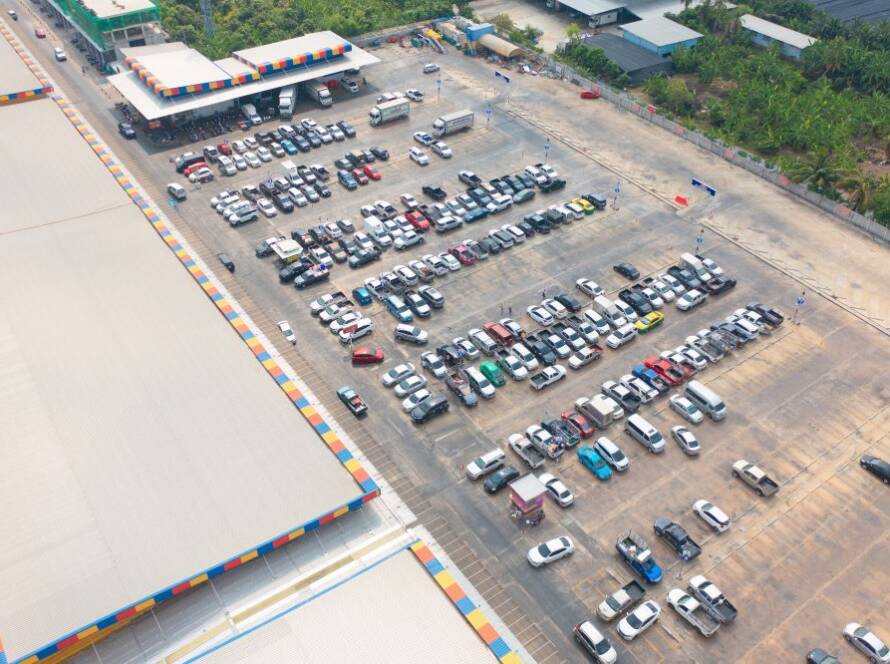
Buying a car in Guyana is a big decision, and for most families it is one of the largest purchases they will make. Brand-new vehicles are expensive, and loan rates can make them harder to afford. That is why so many people turn to the second-hand market. Used cars can be reliable, practical, and much easier on the wallet. The trick is knowing what to look for at each price level and how to avoid the common mistakes.
This blog walks through the options for different budgets, along with the checks that matter most before you hand over any money.
Why Second-Hand Makes Sense
A used car lets you get more for your money. A three- or four-year-old vehicle has already lost much of its value to depreciation, which is the biggest cost of owning a new car. If you pick a model with a good reputation for reliability and easy spare parts, you can drive it for many years without major trouble.
In Guyana, the choice of car also depends on where you live and drive. Georgetown traffic and paved city streets are very different from the rougher roads on the East Coast, the East Bank, or in the interior. Many buyers also need a vehicle that can carry passengers, goods, or farm supplies. Before you look at prices, think honestly about your daily routes, how many people usually ride with you, and how much you can afford to spend on repairs.
Budget Option One: The Entry-Level Car
If your budget is tight, you are not alone. Small hatchbacks and compact sedans from well-known Japanese brands are often the best starting point. Models such as older Toyota Vitz, Honda Fit, and Nissan Note are popular for city driving. They are fuel-efficient, easy to park, and usually cheap to maintain.
The main thing to watch at this level is condition. A cheap car can become expensive quickly if the engine, transmission, or suspension needs work. Ask for service records if the seller has them, and pay close attention to any signs of rust underneath, since coastal humidity is hard on vehicles. Prices change often, so compare several listings before you decide what counts as a fair deal for the year and condition.
Budget Option Two: The Family Sedan or Wagon
When you need more room, a mid-sized sedan or wagon is a sensible choice. Toyota Corolla, Fielder, Axio, and Honda Civic models are common on Guyana roads and are generally well known among local mechanics. Many buyers like them because the parts are easy to find and most garages know how to work on them.
Here, you are paying a bit more for space, comfort, and a better long-term investment. Look for a car that has been driven regularly rather than one that has sat unused for long periods, since neglected vehicles often develop problems with brakes, seals, and electrical systems. Test drive the car on different surfaces if you can, and listen for unusual noises from the engine or suspension.
Budget Option Three: The Higher-Budget SUV or Pickup
If you have a larger budget and need something tough, an SUV or pickup might be the right fit. These vehicles handle rough roads, flooded patches, and heavy loads much better than smaller cars. Pickups are especially popular with farmers, tradespeople, and families who travel into the interior.
Bigger vehicles usually cost more to run. They drink more fuel and need larger, more expensive tyres. Before buying, check the four-wheel-drive system if the vehicle has one, look at the condition of the chassis, and make sure the body has not been badly damaged in an accident. A pickup with a well-maintained engine and a clean frame can serve you for many years, but a poorly kept one can be a money pit.
Things to Check Before You Buy
No matter what your budget is, a few checks should happen before any money changes hands.
Start with the paperwork. Make sure the seller’s name matches the name on the vehicle registration and that the ownership documents are genuine. Ask questions about any outstanding loans or liens. A car that is still tied to a bank or finance company can cause serious trouble later.
Next, inspect the vehicle yourself. Check the tyres for uneven wear, look under the car for leaks or rust, and open the bonnet to check the oil, coolant, and belts. Inspect the body for signs of repainting, which may mean the car was damaged in an accident. Test the air conditioning, lights, windows, and horn, since small repairs can add up.
Finally, get a mechanic to look at the car. This is one of the most important steps, and it usually costs far less than a single unexpected repair. A trusted mechanic can spot problems you might miss, and their report gives you something to use when negotiating the price.
Avoiding Scams
Unfortunately, used car scams do happen. Be cautious when a deal seems too good to be true, especially if the seller pushes you to pay quickly or refuses to let you inspect the car. Never pay a deposit without seeing the vehicle and confirming the seller’s identity. If possible, meet in a safe, public place, and bring a friend along when you go to look at a car.
Be careful with online listings that use stolen photos or ask for payment through unfamiliar channels. Where possible, deal with sellers you can verify, and keep records of every payment you make, including receipts.
Negotiating a Fair Price
Most used car sellers expect some negotiation. Use the information you gathered from comparing listings and from your mechanic’s inspection. If the car needs new tyres or brake pads, mention it politely and ask for a reduction that reflects those costs. Stay calm and be willing to walk away if the price does not feel right. There are always more cars on the market, and patience often pays off.
Conclusion
Finding a cheap second-hand car in Guyana is absolutely possible, whatever your budget. The key is to decide what you really need, set a realistic price limit that includes some money for repairs, and take the time to inspect carefully before you buy. A well-chosen used car can take you to work, carry your family safely, and serve you well for years. Do your homework, trust your instincts, and do not rush the process.