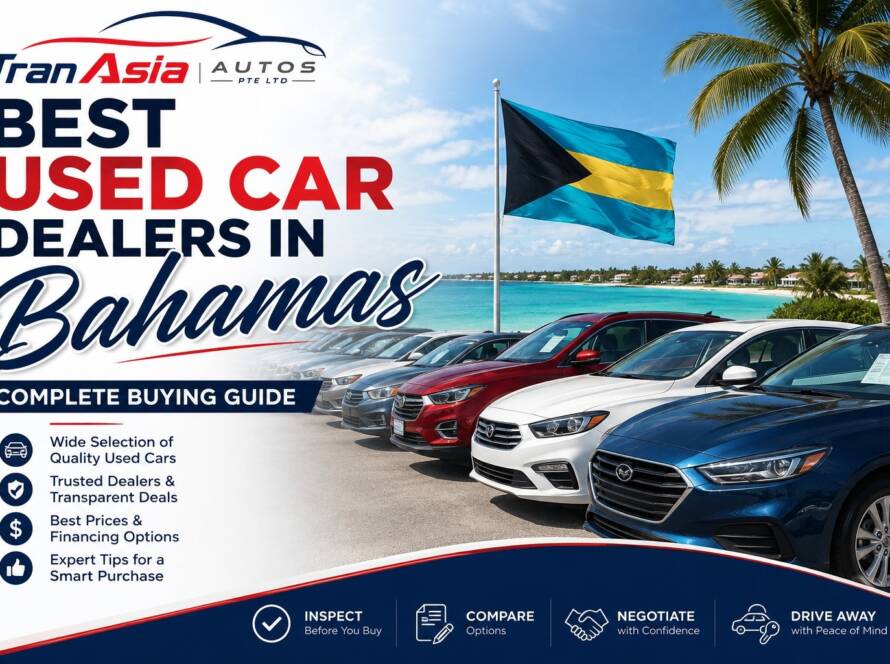
Buying a car is a big decision, and if you live in the Bahamas, you already know that shopping for a vehicle here comes with its own unique set of considerations. From import rules to island logistics, finding the right used car takes a bit of local know-how. The good news is that the used car market in the Bahamas is more active than ever, giving buyers plenty of choices without the high price tag of a brand-new vehicle. In this blog, we will walk you through everything you need to know about exploring used car inventory in the Bahamas and finding a vehicle that truly fits your life.
Why Choose a Used Car in the Bahamas
New cars lose value fast. The moment you drive off the lot, your car is already worth less than what you paid. Used cars, on the other hand, let someone else absorb that early depreciation, meaning you get more value for your money. This is especially important in the Bahamas, where import duties and shipping costs can make new vehicles quite expensive.
Used cars also offer something new cars cannot: proven reliability. Many used vehicles on the market today come from Japan, the United States, and Canada, and have already shown how they perform over several years. With a bit of research, you can find a used car that will serve you well for many more years to come.
Beyond cost savings, buying used also means you often get access to higher trim levels, added features, and larger vehicles that might otherwise be out of budget if bought new. A three or four-year-old SUV with leather seats and a backup camera may cost the same as a brand-new base model hatchback.
Understanding the Local Market
The Bahamas has a growing network of dealerships, independent sellers, and online platforms offering used vehicles. Nassau and Freeport tend to have the largest selection, simply because these are the most populated areas with the highest demand. However, even on the smaller islands, dealerships and private sellers regularly bring in inventory, especially vehicles imported from Japan.
Japanese used cars are especially popular in the Bahamas. Many of these vehicles are right-hand drive, which suits Bahamian roads since Bahamians also drive on the left side of the road. Popular imports include Japanese pickup trucks, compact cars, and SUVs, which tend to be fuel-efficient and well-built for long-term use.
American used cars are another popular option, particularly larger trucks and SUVs that are well suited for construction work, family use, or hauling boats and equipment. These vehicles are usually left-hand drive, so it is worth thinking about which side works best for your daily driving needs before making a decision.
What to Look for When Browsing Inventory
When you start browsing used car listings, it helps to have a clear idea of what matters most to you. Keep the following important points in mind as you search.
- Mileage and Age
Lower mileage usually means less wear and tear, but age matters too. A car with low mileage that has been sitting unused for years may have its own issues, like dried-out rubber seals or a weak battery. Try to find a healthy balance between age and mileage rather than focusing on just one number. - Vehicle History
Ask the seller or dealership for the vehicle’s history, including previous accidents, major repairs, and ownership records. A clean history gives you peace of mind and can save you from costly surprises down the road. - Fuel Efficiency
Given the cost of fuel in the Bahamas, fuel efficiency should be high on your list. Smaller engines and hybrid options can make a noticeable difference in your monthly expenses. - Climate Suitability
Island weather, with its salt air and humidity, can be tough on vehicles. Look closely for signs of corrosion, particularly on the car’s underside and near the wheel arches. Cars that have spent time near the coast are more prone to corrosion, so a thorough inspection is always worth the effort. - Parts Availability
Before falling in love with a less common make or model, check how easy it is to find replacement parts locally. Popular brands like Toyota, Honda, and Nissan tend to have better parts availability and more mechanics familiar with their repair needs.
Setting a Realistic Budget
Before diving into any inventory, it helps to set a clear budget. Beyond the purchase price, remember to factor in:
- Import duties and stamp taxes, if you are bringing the vehicle in yourself
- Insurance costs, which vary based on the vehicle type and your driving history
- Registration and licensing fees
- Ongoing maintenance and potential repair costs
Knowing your full budget ahead of time helps you narrow down your search and avoid falling for a vehicle that looks like a bargain upfront but ends up costing more in the long run.
Where to Search for Used Cars
Today, buyers have multiple ways to search for a used vehicle in the Bahamas. Local dealerships remain a trusted option since many offer basic warranties and have already handled the import process for you. This can save you time and reduce the risk of dealing directly with overseas paperwork.
Online marketplaces and classified ad websites have also become increasingly popular, giving buyers the chance to compare multiple vehicles side by side before making a decision. Social media groups dedicated to buying and selling vehicles in the Bahamas are another valuable resource, often featuring real photos and direct contact with the seller.
Whichever option you choose, always take time to physically inspect the vehicle and, if possible, bring along a trusted mechanic. A pre-purchase inspection can reveal hidden issues that are not obvious during a quick test drive.
Tips for a Smooth Buying Experience
- Take a test drive. Pay attention to how the car handles, any unusual noises, and how smoothly it shifts gears.
- Check the paperwork. Make sure the title is clear and there are no outstanding liens on the vehicle.
- Negotiate with confidence. Many sellers expect some back-and-forth on price, so do not hesitate to make a reasonable offer based on your research.
- Ask about warranties. A number of dealers provide limited coverage on their pre-owned cars, giving buyers an added sense of security.
- Compare multiple options. Do not settle on the first vehicle you see. Comparing a few options helps you better understand fair pricing and available features.
Conclusion
Finding the right used car in the Bahamas does not have to be stressful. With a clear understanding of the local market, a realistic budget, and a checklist of what matters most to you, you can confidently browse inventory and find a vehicle that fits both your lifestyle and your wallet. Whether you are drawn to a fuel-efficient Japanese import or a sturdy American truck, the used car market in the Bahamas offers something for nearly every need.
Move at your own pace, ask thoughtful questions, and don’t hesitate to step away if something seems off. Your next vehicle is out there, and with a little patience, you will find the one that is just right for you.